It's the time difference.
Here's a simple example.
You send your factory an email at the end of your workday. By the time they read it, it's already the next morning in China. They have one question before they can move forward, so they email you back.
You don't see it until the next morning.
Just like that, two days have passed over a single question.
It doesn't seem like much at first, but when you're working through production issues or approving samples, those days add up fast.
Speed on the Shelf Is Just Pre-Work That Already Happened
It’s easy to look at a brand that launches new products or colorways every few weeks...
.jpeg)
The Factory Didn't Get Faster
One of the pet gear brands we work with is a great example.
When we first started working together, they were doing around $3 million in annual revenue. They had been manufacturing overseas for years, but every new product or colorway felt like starting from scratch.
Each launch meant finding suppliers, negotiating pricing, validating quality, reviewing samples, and solving the same manufacturing problems all over again. Minimum order quantities kept creeping up, and quality issues weren't discovered until a container had already crossed the ocean.
Their COO summed up the transformation perfectly:
"What we did in like nine months, I think it would have taken us like years."
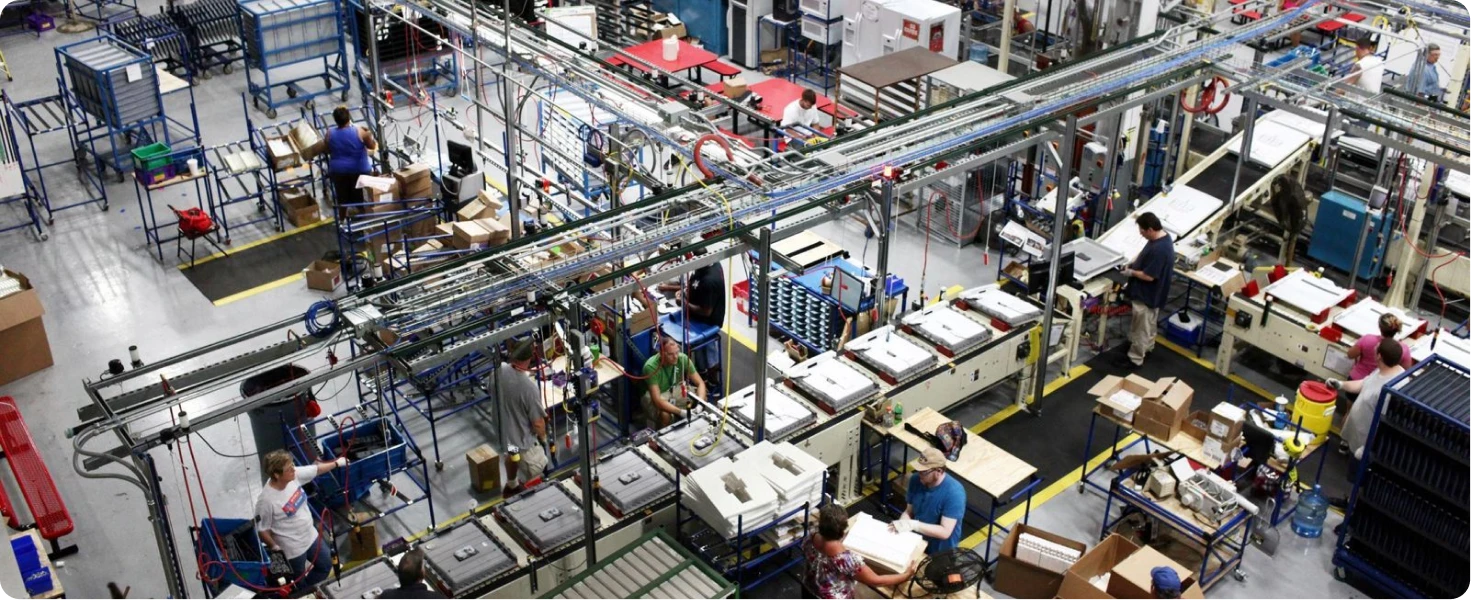
The interesting part is that nothing about the factory suddenly became faster.
The Slow Work Happened First
Those nine months weren't about rushing production.
They were about building the foundation that would make every future launch easier.
That meant:
- Finding and qualifying additional factory partners before they were urgently needed.
- Reducing unit costs by 17%.
- Developing more than 20 SKUs with the same manufacturing partners.
- Having people on the factory floor catching defects during production instead of after the shipment arrived in the U.S.
- Standardizing communication, specifications, and production expectations across every project.
None of that shows up on a launch calendar.
But it's exactly what makes rapid launches possible later.
Speed Is Built Before You Need It
Many founders think a slow launch means the factory is taking too long.
More often than not, production isn't the bottleneck.
The real delay comes from everything that has to happen before the production run can even begin.
Every time you're sourcing a new supplier, negotiating pricing, validating quality, requesting samples, or clarifying specifications from scratch, you're adding weeks—or months—to the timeline.
When those systems already exist, launching becomes dramatically faster.
The Biggest Competitive Advantage Isn't Speed
It's preparation.
One of the smartest investments a growing brand can make is building supplier relationships before they're immediately needed.
Scouting factories when you're calm gives you options.
Scouting factories when you're under pressure usually costs more, takes longer, and forces compromises.
That's why the brands that seem to move effortlessly aren't necessarily working with faster factories.
They've simply invested in the relationships, systems, and manufacturing infrastructure that let them move quickly when opportunity appears.
The Takeaway
If launching a new colorway or product takes a year, the production run probably isn't your biggest problem.
Ask yourself:
- What conversations are we restarting every single launch?
- Which supplier relationships only exist when we're in a rush?
- What could we build today that would make our next launch dramatically easier?
Because speed on the shelf isn't created during production.
It's the result of all the pre-work that already happened.