Most sourcing companies stop at the factory door. We go three layers further.
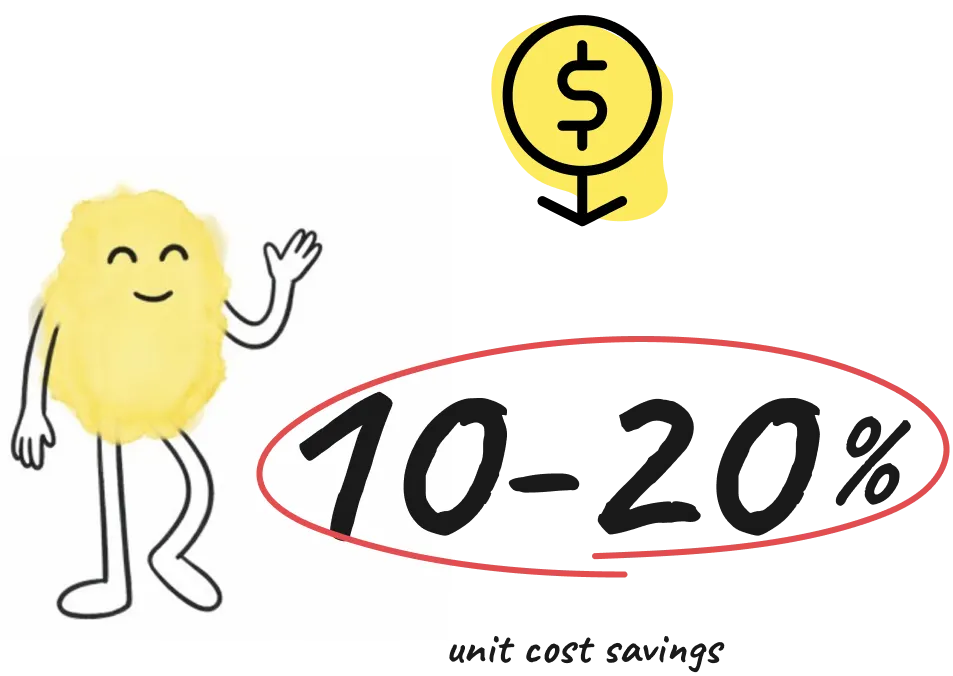
Each of the three layers below is hard, slow, and unglamorous work that almost no other sourcing company will touch. We do them because they add up to 10-20% in unit cost savings, fundamentally better quality, and the kind of structural IP protection that your retail buyer's lawyer will actually believe. Most founders we work with don't even know to ask for any of this until we explain it. Then they wonder how they ever produced anything without it.
Setting up production in China the right way means going deeper than just picking a factory and placing an order. There are three layers of work that quietly determine whether your product comes out cheap, on time, on spec, and protected from copycats. We handle all three.
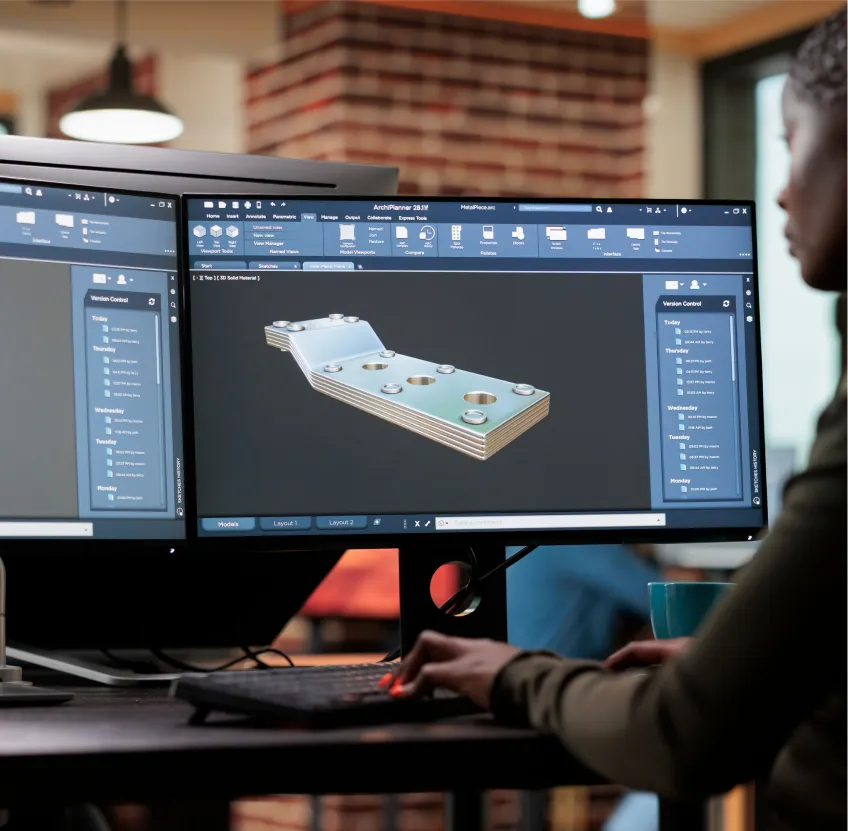
Tooling is one of the most expensive and most under-discussed parts of manufacturing. It's also where founders get burned the most. Most sourcing companies and most factories conveniently forget to spell out who actually owns the tooling and what happens if you ever want to move it.
We don't play those games. When we set up tooling on your behalf, you own it, the factory agreement says you own it, and we make sure you can move it cleanly if you ever need to.
We handle the mold flow analysis, steel selection, first-trial samples, and the validation cycle that turns a CAD file into a factory-ready mold. If you're already with another manufacturer and your tooling is stuck there, we've helped clients move tooling out of bad situations more times than we can count. It's almost always more do-able than founders think.

Design, sourcing, and validation across our factory network
Written tooling ownership agreements (you own it, period)
Mold flow analysis, steel selection, first-trial samples, pilot runs
Migration from a previous manufacturer when you need to switch



Here's something almost no founder thinks about: when your factory quotes you a unit cost, a meaningful chunk of that is the markup THEY added on every component going into your product. The screws. The packaging. The electronics. The batteries. The fabric. Every sub-component was sourced from somewhere, and most factories source from whoever's cheapest or whoever they know (usually a friend or relative) and then mark it up before reselling it to you.
We do it differently. For products where it makes sense, we source the major sub-components ourselves and supply them to the factory. That cuts out the markup AND gives us tighter quality control because we know exactly where each component is coming from, every batch, every time.
Direct supply contracts with battery, electronics, packaging, and material suppliers
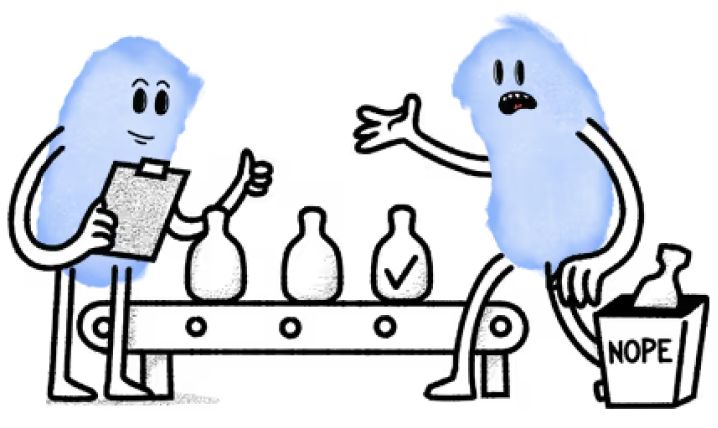
Quality control at the component level, not just the finished product
Audits and direct sourcing for high-cost components
Component-level cost analysis (where the real margin is hiding)
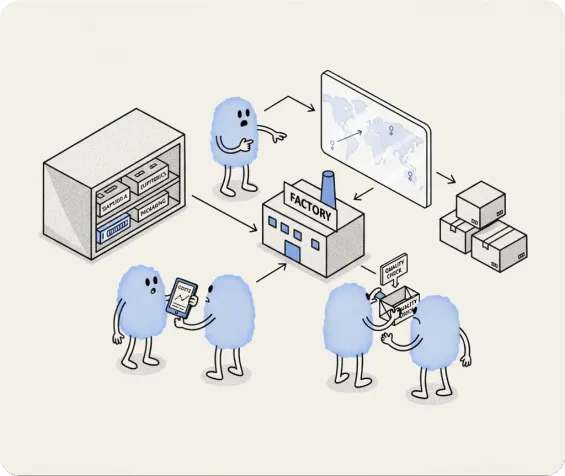
When you give one factory the complete turnkey product (CAD files, BOM, assembly steps, tooling), they have everything they need to make a copycat the day after your contract ends. We don't do that. For products where IP protection matters, we split production across multiple factories. One factory makes the housing. Another makes the electronics module. A third does final assembly and packaging.
No single factory sees your full design. No single factory has the components AND the assembly process AND the packaging spec. It's a practical, structural defense that doesn't rely on legal threats, NDA enforcement against a Chinese counterparty, or trust. It just works because of how the production is architected.
Production splitting across multiple factories for IP-sensitive products
Cross-factory coordination and final assembly orchestration
No single factory holds your full design (architectural, not legal, defense)